PeptideNews.
The science. The conversations. The peptides gaining attention.
What the world is searching for
Monthly Google searches · US + EU estimates
- 01Retatrutide773.6k
- 02BPC-157 + TB-50095.9k
- 03GHK-Cu79.3k
- 04CJC-1295 + Ipamorelin74.2k
- 05KLOW50.6k
- 06MOTS-c33k
- 07PT-14122.8k
Source: Semrush · US + EU (DE, FR, ES, IT, NL, PL, DK) searches combined
Snapshot · 16 Nov 2026
Podcast summaries
All episodes →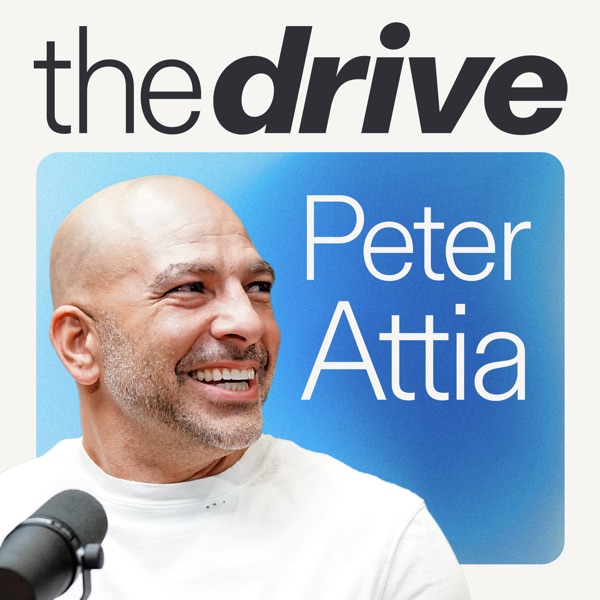

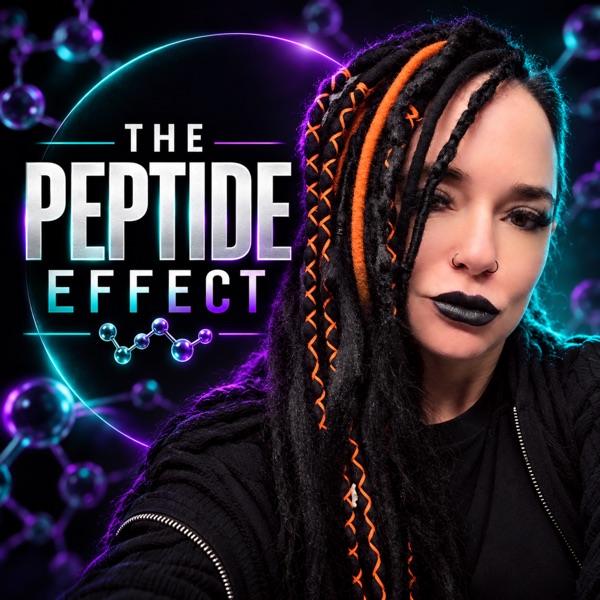
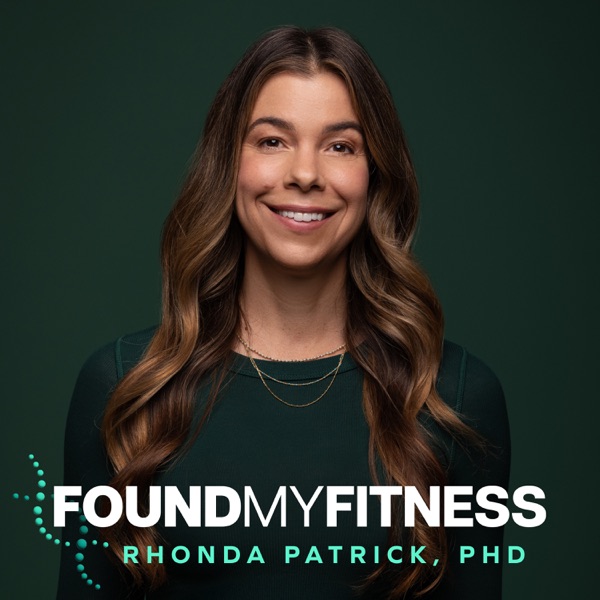



Who's covering peptides
Outlets and shows that have reported on or discussed peptides.
Our articles
All articles →Explainer · 7 min
Retatrutide explained: the triple agonist everyone is talking about
What it is, how it differs from earlier GLP-1 peptides, and where the research stands right now.
Weekly roundup · 4 min
Peptide news, week 46: trials, podcasts and new papers
Our weekly roundup of the most important peptide stories — so you don't have to read everything.
Guide · 6 min
How to choose a peptide supplier you can trust
Certificates, batch numbers and third-party testing — a checklist for researchers.
Explainer · 6 min
BPC-157 explained: from gut peptide to recovery headline
Where BPC-157 comes from, what the animal studies found, and why human data is still scarce.
Explainer · 5 min
GHK-Cu: the copper peptide behind the skin-care buzz
A plain-language guide to GHK-Cu, its natural decline with age and the lab research on collagen.
Research update · 5 min
MOTS-c research update: 64 new studies in a year
Why a mitochondria-derived peptide is getting steady attention from metabolic researchers.
Guide · 6 min
How to read an HPLC report in five minutes
Peaks, retention time and purity percentage — the parts of a lab report that matter.
Guide · 4 min
Peptide storage basics: temperature, light and time
Why lyophilised peptides are shipped cold and how researchers keep them stable.
Weekly roundup · 4 min
Peptide news, week 45: GLP-1 muscle debate and new MOTS-c papers
Our weekly roundup: the stories, episodes and papers worth your time.
Explainer · 5 min
What 'research use only' actually means
RUO labels explained: what they allow, what they don't, and why they matter.